Your First Horseback Ride: Everything You Actually Need to Know

The first unfamiliar thing at a stable may be the vocabulary rather than the horse: somebody asks about your experience, checks your footwear and starts adjusting a helmet while you are still wondering which side you are supposed to stand on. A useful first ride begins with those questions being welcomed, because being new is information the team needs, rather than something you should try to disguise.
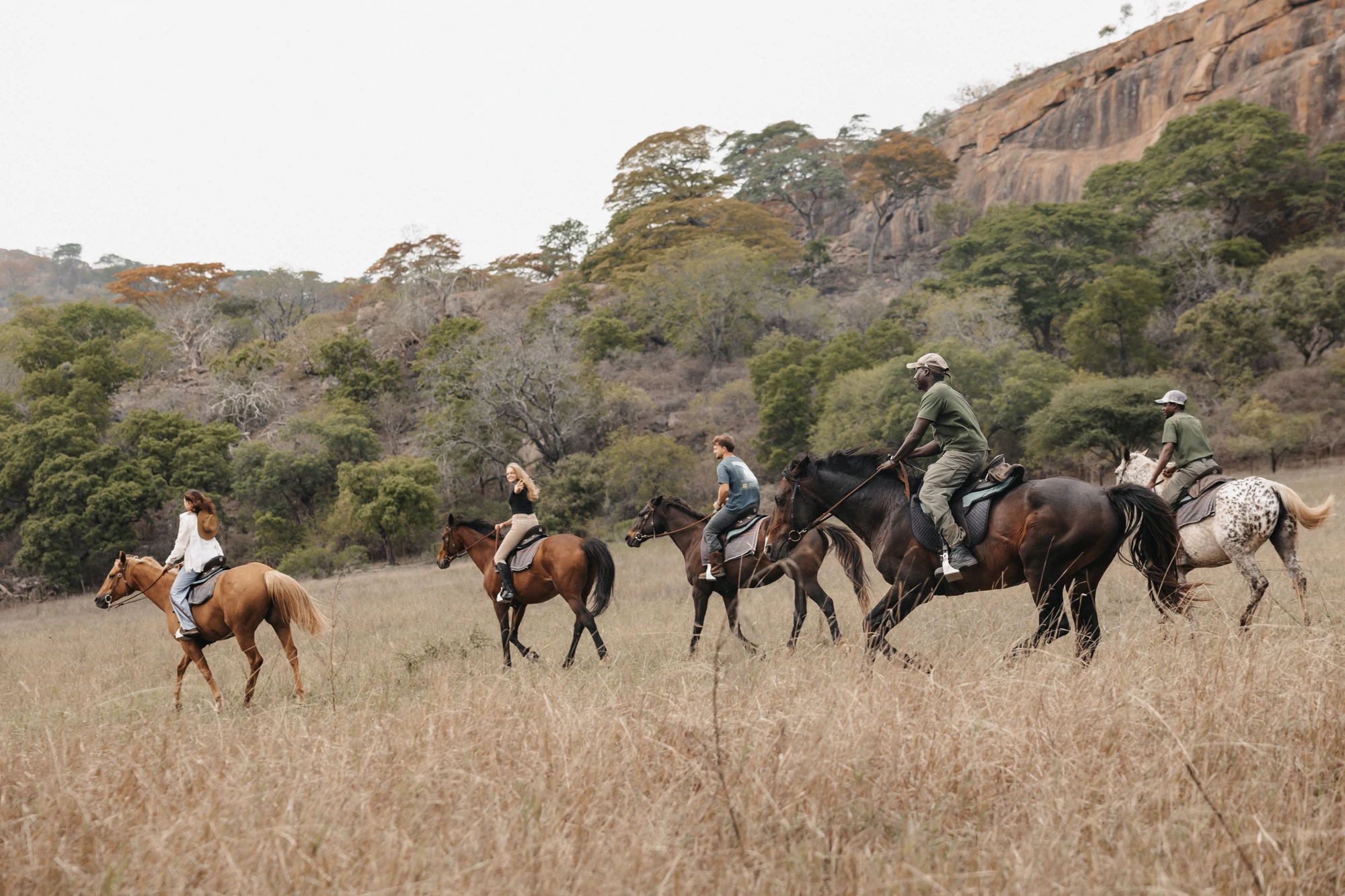
Before choosing a beautiful route, establish whether you want an introduction to riding as a skill or a guided activity during a vacation, since those experiences can look similar in photographs while offering very different amounts of instruction and support.
A Riding Lesson or a Vacation Trail Ride?
A first lesson normally gives an instructor time to work on your position, balance and basic communication in a controlled setting, often with somebody leading the horse. A guided trail ride is an outing on a particular route, with a briefing and support arranged around that activity; it does not automatically provide the individual teaching you would receive in a lesson.
The British Horse Society explains that a first lesson may remain at walk and can involve a good deal of talking about position and feeling the horse’s movement. If learning is what excites you, ask for instruction explicitly, while if you want a scenic first outing, ask whether the exact trail accepts people who have never ridden.
Before You Pay: Describe Yourself Accurately
Tell the provider that you are a complete beginner, whether you feel nervous around large animals and whether you have any mobility needs or relevant health concerns. Confirm the minimum age, rider weight limit, group size, actual riding time and expected pace, rather than relying on a general description such as “all levels.”
Ask how the horse is selected for you, how much time is allowed for the briefing and whether you can practice stopping and steering before leaving the enclosed area. A short supervised introduction may tell you more about your comfort than committing immediately to a long trail, and taking a lesson first is a sensible option if you are uncertain.
What to Wear, Without Buying an Entire Wardrobe
Choose comfortable long trousers or leggings that allow movement without loose fabric catching on equipment, then check the provider’s footwear requirements before you arrive. Riding boots or suitable boots with a small heel and a smooth sole are the better starting point; the British Horse Society advises that sneakers and rubber rain boots are unsuitable, while deep hiking treads can catch in a stirrup.
Confirm that a riding helmet meeting the center’s accepted safety standard will be available in your size and properly fitted and fastened, rather than assuming that every operator supplies one. Take weather protection and water as advised, secure loose straps and ask where bags and phones should stay during the ride.
What Happens When You Arrive?
Allow the arrival time stated in your booking so the team can complete its checks without rushing, and use that conversation to repeat anything important about your experience. You should have an opportunity to understand the plan, ask questions and tell somebody if your helmet, footwear or equipment feels wrong.
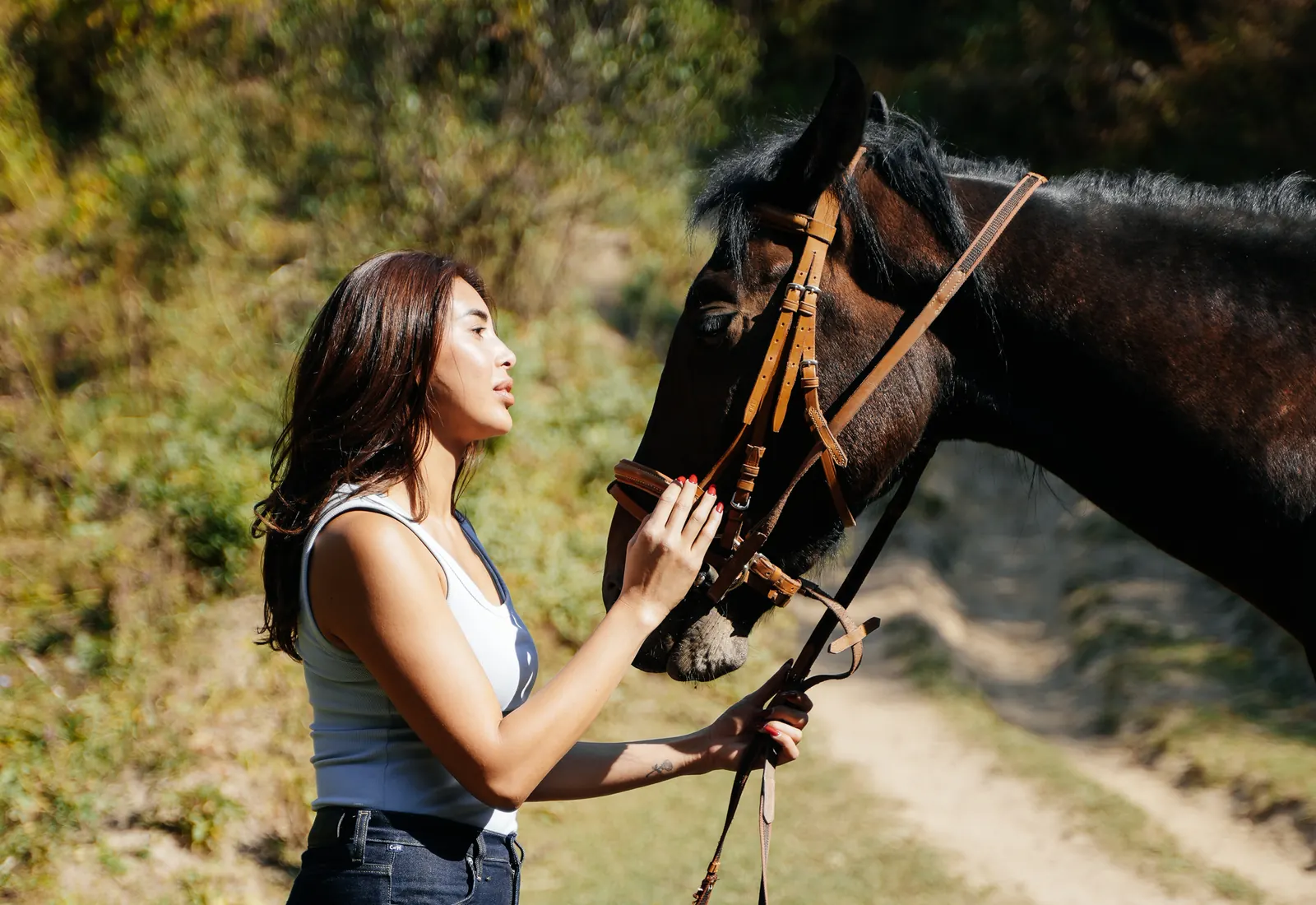
Let a member of the team introduce you to the horse and demonstrate how to approach and stand nearby, following their instructions rather than walking into a stall or behind a horse on your own. A horse suitable for novice work is still an animal with its own reactions, so familiarity with a route never removes the need for supervision.
Mounting, Stopping and the First Few Minutes
Wait for your instructor or guide to position the horse and help you use the mounting arrangements, which may include a mounting block, while they check the saddle, stirrups and your position. The useful lesson here is a supervised demonstration, rather than trying to remember a set of instructions from an article while balancing beside a horse.
Before the outing begins, make sure you understand the signals the team wants you to use for moving, stopping and steering, along with how to ask for help. If an explanation is unclear, ask for it again and practice under supervision; knowing that a trail horse often follows the others is not a substitute for learning what you should do.
What If You Feel Nervous?
Say so before mounting and keep the conversation open once you are riding, because nerves do not follow a reliable ten-minute timetable. You might prefer a led introduction, an enclosed lesson, a shorter route or time on the ground, depending on what the center offers and what its staff considers appropriate.
Agree how you will signal that you want to pause and how the guide will respond, then let the team manage the horse before you attempt to dismount or change position. You are allowed to decide that today is an introduction to the stable rather than the day for a trail ride.
Will There Be Trotting or Cantering?
Book a walking introduction if you are a complete beginner and check how that pace is maintained when more experienced guests are present. Faster riding should depend on the individual assessment, conditions and horse, rather than somebody wanting a dramatic photograph or the rest of the group voting to go faster.
Riding carries a risk of falls and injury even with good guidance, suitable horses and protective equipment, which makes realistic expectations more helpful than a promise that nothing can happen. If you have a medical question about taking part, discuss the activity with an appropriate health professional as well as the provider before booking.
How Long Should Your First Ride Be?
A one- or two-hour outing is a common starting point for vacation rides, although a shorter lesson or led session may suit you better and total activity time may include preparation rather than continuous riding. Ask how long you will actually be mounted, whether there are breaks and what happens if you need to finish early.
Notice the Horses’ Day as Well as Your Own
Ask about workload, rest, water, forage and how routes change in heat or poor conditions, while allowing the staff responsible for the horse to explain its individual needs. Clean-looking equipment or an appealing photograph cannot establish welfare on their own, and the willingness to change or cancel a ride for a horse is a useful part of the conversation.
Our questions to ask before booking a riding tour can help with those details, while the Riding Knowledge Quiz offers eight questions with explanations about horses, equipment and thoughtful care; its result is an introduction to knowledge, rather than an assessment of your practical riding ability.
If you prefer to take a checklist to the stable, the First Ride resources in our Library bring the preparation into a format you can use alongside the provider’s own instructions, while keeping those instructions and the individual riding assessment at the center of the plan.
If You Want to Keep Learning
After a first outing, a regular lesson can give you the time to understand the details that passed quickly at the stable, from how you sit to how you communicate more clearly. If you are beginning as an adult, our story about starting horse riding as an adult considers how to make room for that interest without measuring yourself against somebody who started in childhood.