What Should You Wear Horseback Riding? The Complete Guide for Every Season
What Should You Wear Horseback Riding? The Complete Guide for Every Season
The shoes that feel ideal for a day of sightseeing may be the wrong ones for a stirrup, which is why packing for a ride begins with the footwear and helmet arrangements rather than an outfit. Before buying anything, send the provider a clear description of what you plan to wear and ask which equipment can be borrowed for your first horseback adventure.
You do not need expensive riding clothes to enjoy your first horseback adventure, because comfort, safety and practicality are much more important than looking like an experienced rider.
Whether you’re riding through Icelandic lava fields, the vineyards of Tuscany or along a beach at sunset, dressing appropriately will make your experience much more enjoyable.
The golden rule
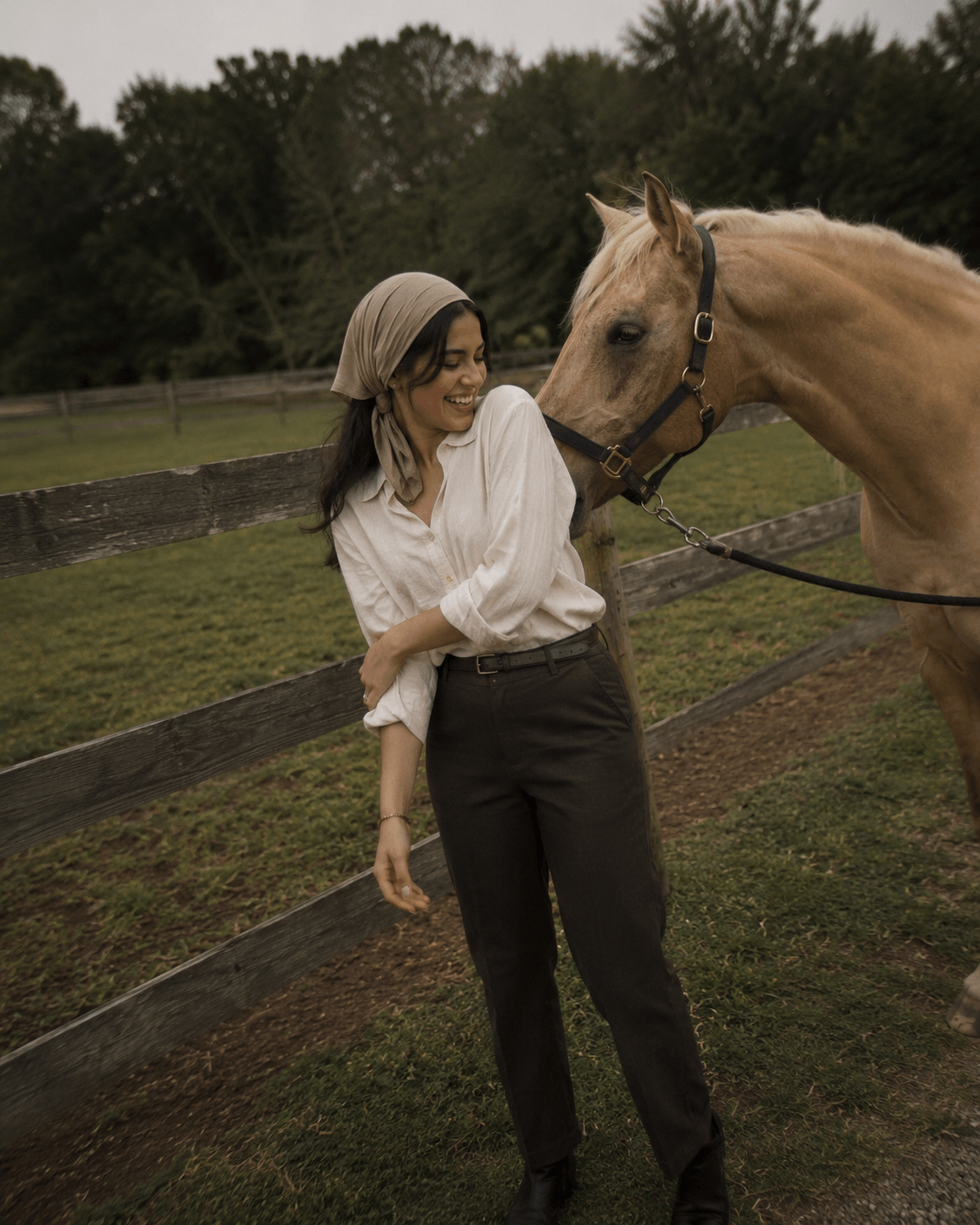
Choose practical clothes that allow you to move comfortably while protecting your legs from rubbing against the saddle, rather than dressing purely for how the outfit will look.
Best trousers for horseback riding
The best choice is:
- Leggings
- Stretch hiking trousers
- Riding tights
- Comfortable jeans with some stretch
Avoid:
- Shorts
- Very loose trousers
- Skirts
- Clothing that restricts movement
Long trousers help prevent rubbing and protect your legs throughout the ride.
What shoes should you wear?
Footwear needs to work with the stirrup, rather than simply cover your toes: the British Horse Society recommends riding boots or jodhpur boots, with a small heel and a smooth sole, and warns that deep tread can catch. Sneakers and rubber rain boots are unsuitable, so check the actual pair you own with the riding team before departure.
- Riding boots or jodhpur boots.
- Other suitable boots only after the provider confirms their heel, sole and fit with the stirrup.
Avoid:
- Flip-flops
- Sandals
- High heels
- Slippers
Many riding centers won’t allow guests to ride in open shoes for safety reasons.
What should you wear in summer?
Hot weather does not mean less protection, so choose clothing and essentials with that in mind:
- Lightweight long trousers
- Breathable shirt
- Sunglasses
- Sunscreen
- Plenty of water
Many riding centers also move rides to early mornings or sunset during very hot weather to protect both guests and horses.
What should you wear in winter?
Dress in layers that you can adjust as needed, with a typical winter outfit including the following:
- Thermal base layer
- Warm fleece
- Waterproof jacket
- Gloves
- Comfortable long trousers
- Warm socks
It’s much easier to remove layers than wish you’d brought another one.
Do you need a helmet?
Wear a properly fitted, securely fastened riding helmet every time you ride, and confirm that the provider has a suitable one in your size meeting its accepted safety standard. The British Horse Society emphasizes both fit and fastening; a helmet reduces some risks but cannot guarantee protection in every fall.
Should you wear gloves?
Gloves are not essential for beginners, but they can make longer rides more comfortable by improving your grip on the reins and reducing rubbing.
Can you bring a backpack?
Ask the guide where water, phones and other essentials should be carried, because bags and loose straps can interfere with riding or become caught. A provider may have secure storage or an approved way to carry a small item, but do not assume that wearing a backpack or taking photographs while mounted is appropriate.
Bring:
- Phone
- Water
- Sunscreen
- Small camera
What should you avoid?
Avoid wearing:
- Flip-flops
- Sandals
- Very loose scarves
- Clothing that could get caught
- Heavy handbags
- Very short shorts
Comfort and safety should always come first.
Does the destination change what you should wear?
A beach ride in the Caribbean requires different clothing from a mountain ride in Scotland, so always check the weather forecast and follow any instructions provided by your guide before the experience.
Frequently Asked Questions
Can I wear jeans?
Yes, comfortable jeans are perfectly suitable for most trail rides.
Can I wear trainers?
Sneakers are not the recommended choice: the British Horse Society advises that they are unsuitable for riding. Ask whether the center can lend appropriate boots, and check its requirements before booking rather than arriving in footwear that may prevent you from taking part.
Do I need riding boots?
Riding boots or jodhpur boots are the better choice, while another pair needs the provider’s approval for its heel, sole and stirrup fit. Some centers lend footwear, which can let you try a first lesson without buying equipment immediately.
Will the riding center provide a helmet?
Riding centers usually provide helmets, but always check your booking confirmation before you arrive.
Final thoughts
Preparing for a ride is less about owning perfect equipment than being comfortable and dressed appropriately, leaving you free to enjoy nature, connect with your horse and make memories of the experience.
Ready for your first horseback adventure?
At Saddle Stories, we carefully select horseback experiences suitable for every level, from complete beginners to experienced riders.
Once you have thought about what to wear, our questions to ask before booking a riding tour can help you prepare for the experience itself.