Why Time With Horses Can Feel Calming

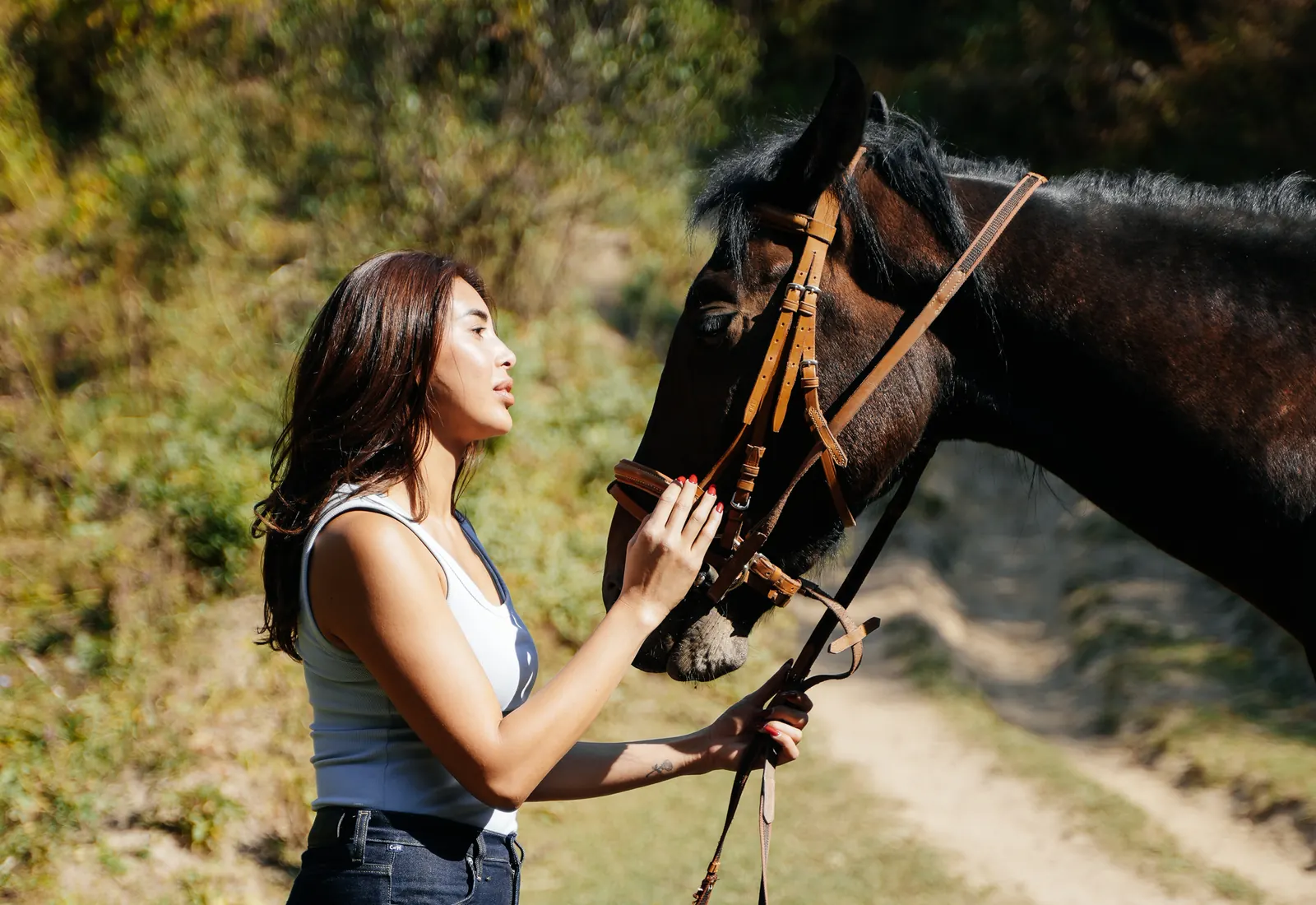
Brushing a horse under somebody’s guidance gives your attention a quite specific job, from following the direction of its coat to noticing when the animal shifts its weight and asking what that movement means. For some people, that practical focus feels welcome after a day of screens and unfinished conversations, although another person may feel cautious, excited or simply unfamiliar with being so close.
Those different reactions are a better starting point than the claim that horses calm everybody’s nervous system, because a pleasant leisure activity and a clinical treatment are different things. This is a reflection on what people may enjoy about time with horses, rather than a promise about cortisol, trauma, anxiety or a guaranteed physiological response.
An Immediate Task Can Change Your Attention
In a supervised session, the next thing to understand might be where to stand, how to hold a brush or how the instructor wants you to ask a horse to walk on, which gives a wandering mind something close at hand. You may enjoy that shift without needing to turn it into evidence of a particular therapeutic mechanism.
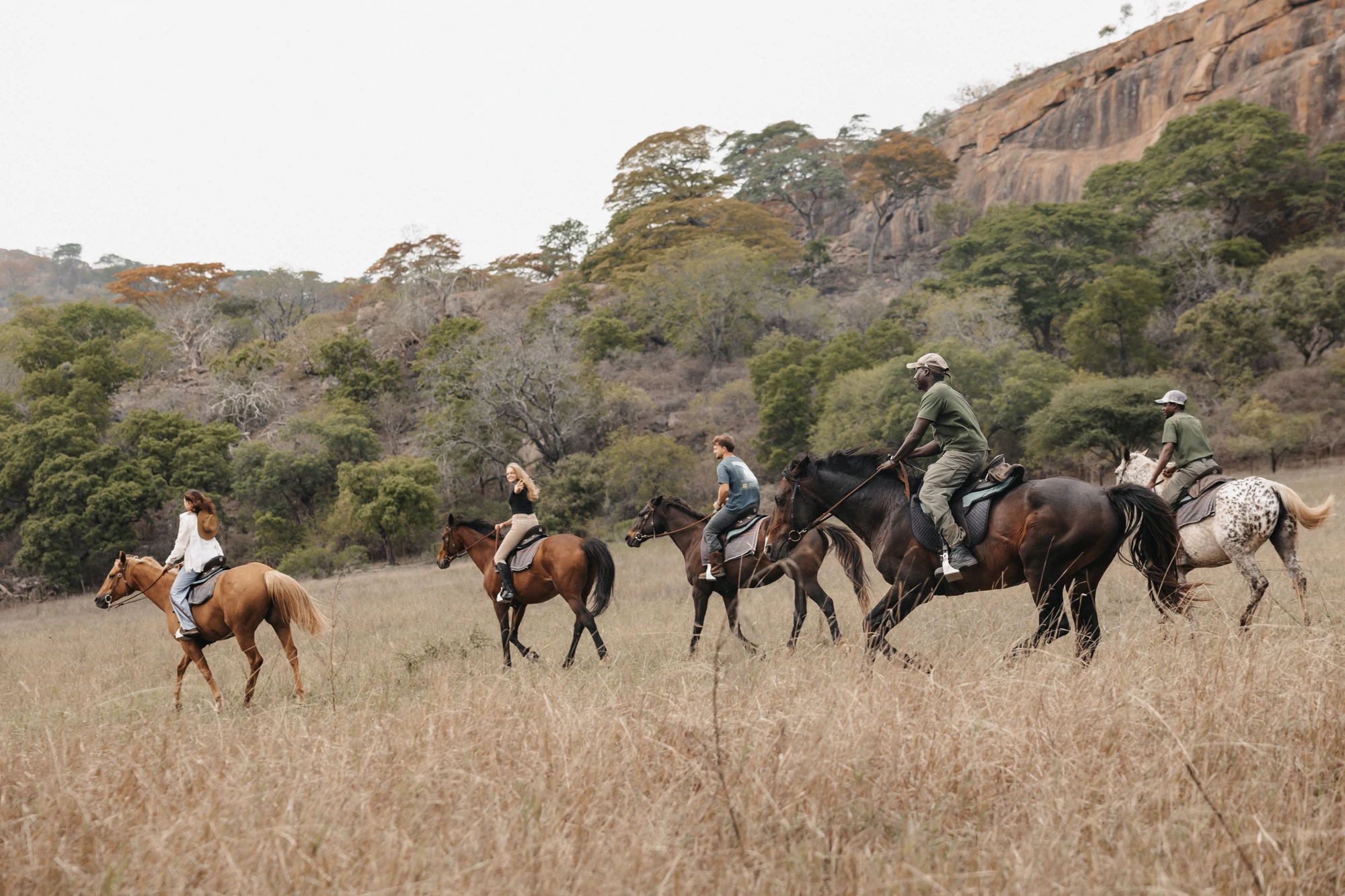
Riding can also be demanding, with balance, coordination and changing surroundings asking for concentration, so feeling absorbed does not necessarily mean feeling relaxed. Choose an activity appropriate to your experience and keep telling the team how you are finding it, rather than expecting calm to arrive because a description said it would.
The Horse Is Responding to a Situation
A horse’s movement and behavior can tell an experienced handler something about its comfort, attention or uncertainty, but they do not provide a diagnosis of the person nearby. Descriptions suggesting that a horse reads your inner truth or exposes what you are hiding give a human interpretation more authority than it deserves.
Ask the responsible professional to explain what they are observing, and allow for the horse’s own training, health, previous experiences and surroundings. The animal is an individual participating in the encounter, rather than a device for producing a desired feeling in a guest.
Enjoyment Does Not Need a Health Claim
Time outside, an interesting lesson, a favorite horse or a conversation at the stable can be enough to make an afternoon worthwhile, whether or not you notice a lasting change in how you feel. You might leave tired and pleased, discover that you prefer watching horses to riding them or decide that one introduction was sufficient.
A recreational ride is not a substitute for mental-health care, and a program described as therapy should be evaluated on its actual professional qualifications, scope and safeguards. Research into a particular structured intervention cannot automatically be applied to every trail ride or encounter with a horse.
For a Woman Arriving on Her Own
Clear arrangements can be reassuring when you travel alone, particularly knowing who will meet you, what the session involves and whether you can ask to pause without having to explain yourself to a group. There is no reason a solo guest should need to promise confidence, sociability or a particular emotional response to deserve good support.
The shared subject of horses may make conversation easier, while a private session or a quieter place to sit may suit somebody else better. Those are preferences to discuss before booking, rather than proof that women naturally need a single type of gentle or healing experience.
Choose the Activity Before the Promise
You do not need to be an expert rider to explore an appropriate introduction, but the team still needs an honest account of your experience, comfort and any relevant limitations. Ask whether the session is mounted or ground-based, how long it lasts and what happens if you prefer not to continue.
Our guide to choosing the right horseback experience can help with those questions, while the horse’s daily care deserves equal attention. At Saddle Stories, the attraction is an enjoyable encounter arranged with respect for the animal and realistic expectations for the person, leaving each guest room to decide what the time meant to them.