How to Choose a Horseback Retreat That Actually Suits You

The word “retreat” can describe a week of structured lessons, a riding holiday with a beautiful place to stay or a program built mainly around time on the ground with horses, so it tells you surprisingly little on its own. Before choosing the setting, work out which part you actually want to spend your days doing and how much of the advertised experience is riding.
If the atmosphere is what first draws you in, our reflection on the quiet luxury of riding holidays for women considers the comforts around the stable, while this guide helps turn that attraction into a practical comparison.
A Stay Built Around Learning
A lesson-led stay makes sense when you want time with an instructor, opportunities to repeat an exercise and a clearer understanding of your riding, rather than a new trail every morning. Ask how much individual teaching you receive, whether groups are divided by current ability and how the team decides what each rider is ready to attempt.
A beginner may want an introduction in an enclosed area and plenty of explanation, while an experienced rider might be looking for a specific discipline or a technical focus. Neither request is answered by a general promise of “all levels,” so describe your current riding and ask what your actual days would contain.
A Trail Holiday With a Comfortable Base
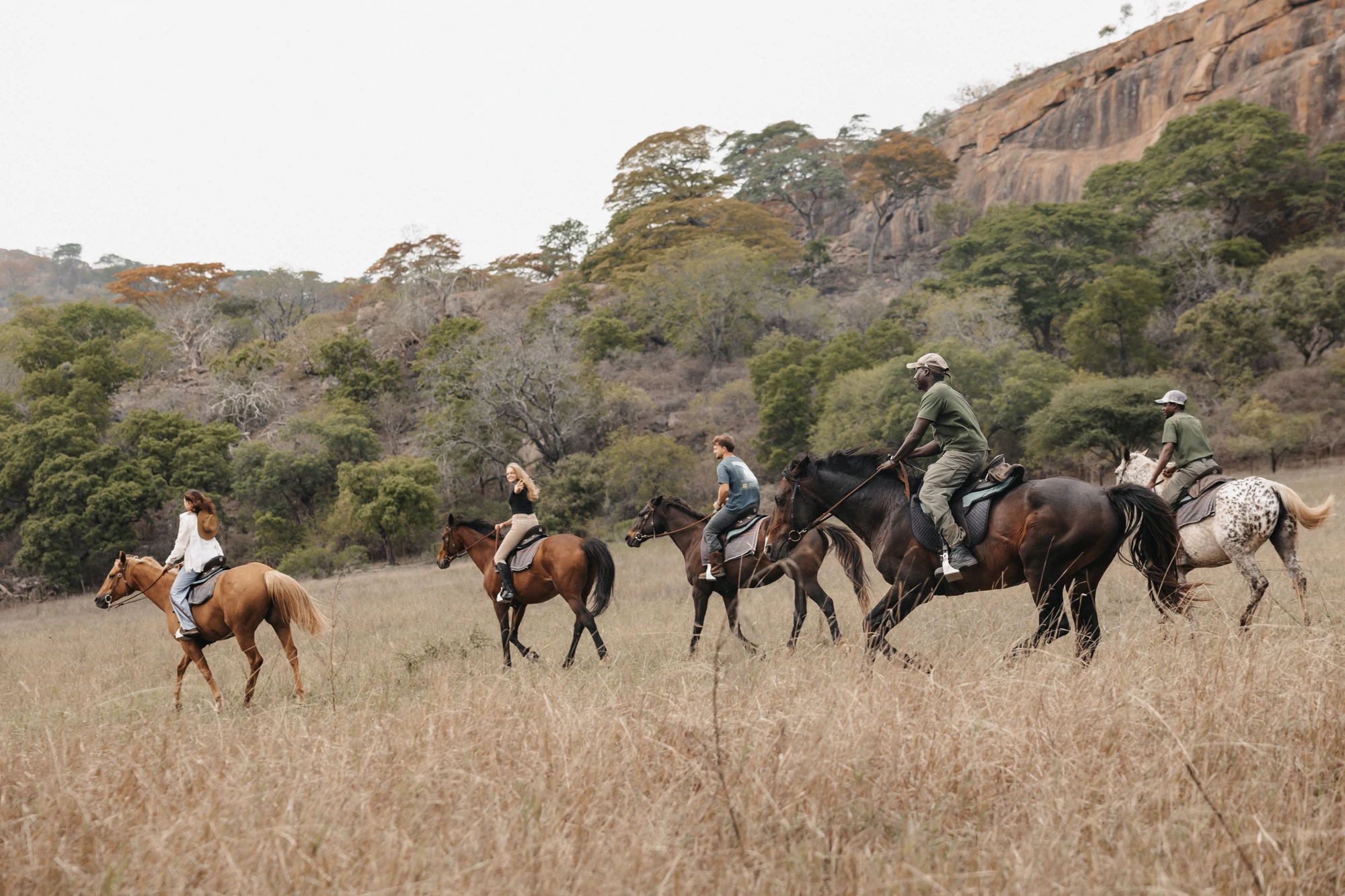
A stay returning to the same accommodation can appeal if you want different routes without moving camp, although the comfort of the room says nothing about the challenge of the riding. Compare the longest day, consecutive riding days, paces and terrain, then ask whether an afternoon off is practical and how that affects the program.
This format can work well when companions have different interests, provided the non-riding options are real and available on the dates you want. Have the host explain the arrangements instead of assuming there will be a pool, a walkable village or independent transport because the property looks appealing online.
Time With Horses Without a Riding Ambition
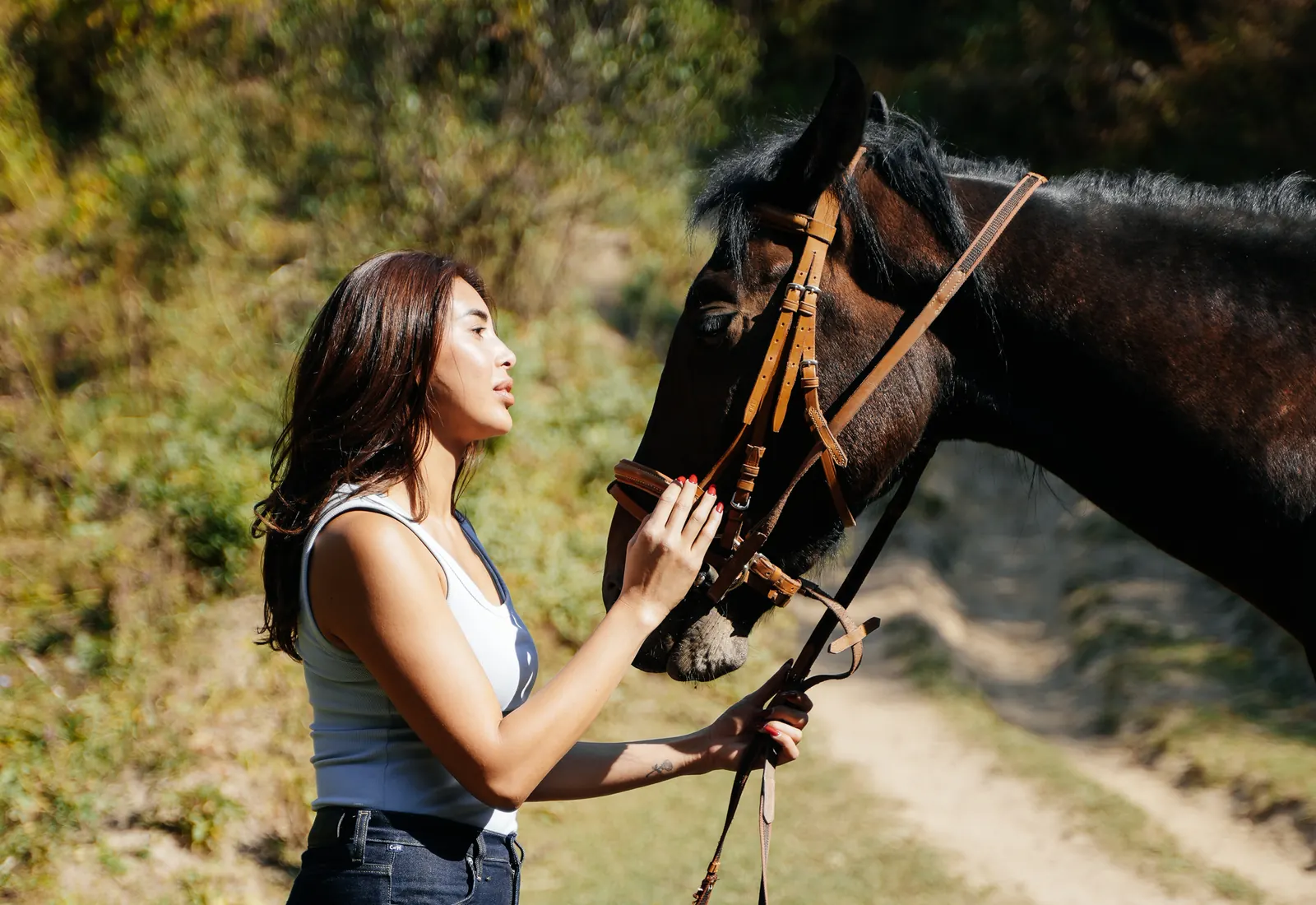
Some guests are more interested in observing horses, grooming under guidance or learning about handling than in a mounted itinerary, and a ground-based program should describe those activities as clearly as a trail ride describes its route. Ask who leads the sessions, what training they have and how the horses’ willingness, rest and space are managed.
An experience may feel enjoyable or absorbing without being a clinical service, and language about healing, trauma or nervous-system effects deserves a different level of scrutiny. Unless a program is explicitly a professional treatment with appropriate qualifications and arrangements, choose it as a leisure experience rather than a promised therapy.
If You Are Traveling Alone
Confirm the room arrangements, any single supplement, transfer options and how people join meals, because these details shape arrival more than a description of instant friendship. Ask about the group’s size and the support available if an activity feels unsuitable, while keeping space for your own preference between company and time alone.
A shared interest gives people something to talk about, but a pleasant holiday should not depend on every guest becoming part of an intimate group or sharing personal experiences. The freedom to join a conversation, read quietly or take an early night is a practical part of hospitality, not evidence that you are doing the retreat incorrectly.
What Deserves a Place in the Price?
Compare accommodation, meals, transfers, instruction, riding hours and equipment as separate items, then check which optional activities cost extra and which arrangements are confirmed only after arrival. If a program combines riding with yoga, a spa or excursions, make sure those additions interest you rather than paying for an attractive description of a schedule you will not use.
Season, weather and the horses’ needs can change a day, so ask what happens if riding is reduced or canceled and keep the answer with your booking terms. A good plan leaves room to adapt without concealing what you are actually buying.
The Horses Are Part of the Decision
Ask how the team manages daily workload, rest, turnout, water, forage and equipment fit, and how your experience is used to select an appropriate horse. The British Horse Society’s welfare guidance treats care beyond the riding session as essential, which is a useful perspective when a retreat’s presentation concentrates on the guest rooms.
Our questions to ask before booking a horseback ride can help you extend the conversation, while choosing the right horseback experience offers a way to compare the activity itself. Once those answers are clear, the location becomes a pleasure to choose rather than a photograph asked to explain the whole holiday.